Advertisements
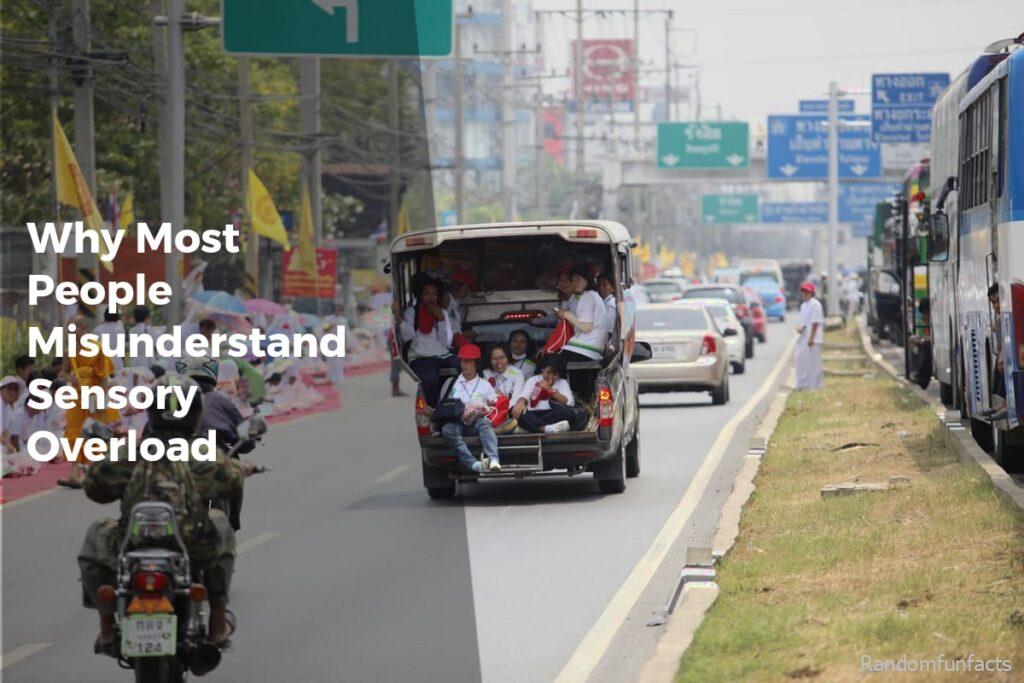
Sensory overload isn’t always loud or dramatic. Most of the time, it shows up quietly: a tab left open too long, a screen that feels heavier than it should, a subtle urge to look away. It’s less about chaos and more about accumulation.
What makes it hard to understand is that it’s deeply personal. The same sound, color, or interface that feels calming to one person can feel exhausting to another. That’s why the most useful tools for managing it are often small, specific, and strangely overlooked.
Table of Contents
(Click to Toggle)
- 1. Soundscape.world : Layered environmental audio without clutter
- 2. Blank Windows : A browser that shows almost nothing
- 3. Read Slowly : Text designed to arrive gradually
- 4. Typelit.io : Reading by typing
- 5. Subtle Patterns : Backgrounds that don’t shout
- 6. Soft Murmurs Lab : Experimental calm audio
- 7. Color Curves : Exploring gentle color transitions
- 8. Minimal Timer : Time without urgency
- 9. Quiet Reader : Reading without sidebars
- 10. Letterboxd Charts : Data as calm visualization
- 11. Low Contrast : Testing visual comfort
- 12. Gentle Typing : Slower input, fewer errors
- 13. Slow Search : Intentional querying
- 14. Ambient Maps : Geography without labels
- 15. Plain Tabs : Fewer decisions per tab
Why “Why Most People Misunderstand Sensory Overload” is worth your time
They offer fresh experiences: when familiar tools start to feel heavy, unfamiliar ones can reset your expectations. You notice details again.
They break routine: discovery interrupts the autopilot mode of the web, replacing it with moments of intentional slowness.
They spark awareness: small design choices can reveal how much stimulation you’ve been carrying without noticing.
How This List Was Framed
These sites are quiet, browser-based, and focused. Some are slightly strange. Most do one thing well. None of them shout for attention, which is exactly why they work.
1. Soundscape.world : Layered environmental audio without clutter
What it is:
A web tool for blending subtle environmental sounds into simple, adjustable soundscapes.
Category: Audio
Why it stands out:
- No visual noise
- Focus on texture over volume
- Feels unfinished in a good way
Best for:
People who want sound without distraction.
2. Blank Windows : A browser that shows almost nothing
What it is:
A minimal page that opens empty “windows” you can choose to fill or leave blank.
Category: Focus
Why it stands out:
- Embraces emptiness
- Removes default assumptions
- Overlooked because it feels too simple
Best for:
Moments when your browser feels crowded.
3. Read Slowly : Text designed to arrive gradually
What it is:
A reading platform that delivers written messages slowly over time.
Category: Reading
Why it stands out:
- Built-in delay reduces pressure
- Encourages patience
- Hard to categorize, easy to miss
Best for:
Readers who feel overwhelmed by constant updates.
4. Typelit.io : Reading by typing
What it is:
A site where you read books by typing them out, one sentence at a time.
Category: Reading
Why it stands out:
- Forces a single-task rhythm
- Slows comprehension naturally
- Unappealing to speed readers
Best for:
People who want deeper focus through friction.
5. Subtle Patterns : Backgrounds that don’t shout
What it is:
A library of low-contrast background textures.
Category: Visual
Why it stands out:
- Designed to fade back
- Rejects visual dominance
- Often ignored for flashier assets
Best for:
Designers sensitive to visual overload.

Advertisements
6. Soft Murmurs Lab : Experimental calm audio
What it is:
A stripped-down experiment in ambient sound combinations.
Category: Audio
Why it stands out:
- Feels unfinished and human
- No guidance or presets
- Easy to overlook
Best for:
Late-night listening without commitment.
7. Color Curves : Exploring gentle color transitions
What it is:
A small site for playing with smooth, slow color gradients.
Category: Visual
Why it stands out:
- No sharp edges
- Encourages lingering
- Not useful in a traditional sense
Best for:
Visual decompression.
8. Minimal Timer : Time without urgency
What it is:
A browser timer with almost no interface.
Category: Utility
Why it stands out:
- No alerts or colors
- Time feels softer
- Too plain to market
Best for:
People stressed by countdowns.
9. Quiet Reader : Reading without sidebars
What it is:
A clean reading view that removes surrounding noise.
Category: Reading
Why it stands out:
- Assumes less is enough
- No customization maze
- Rarely promoted
Best for:
Long-form articles.
10. Letterboxd Charts : Data as calm visualization
What it is:
A side project visualizing viewing habits in simple charts.
Category: Data
Why it stands out:
- Visual restraint
- No social pressure
- Hidden behind a niche interest
Best for:
People who like reflection over feeds.

11. Low Contrast : Testing visual comfort
What it is:
A simple tool to experience low-contrast design.
Category: Accessibility
Why it stands out:
- Challenges default brightness
- Educational without lectures
- Rarely shared
Best for:
Anyone curious about visual strain.
12. Gentle Typing : Slower input, fewer errors
What it is:
A typing interface that discourages speed.
Category: Writing
Why it stands out:
- Reduces pressure
- Rewards patience
- Not productivity-focused
Best for:
Writers feeling mentally crowded.
13. Slow Search : Intentional querying
What it is:
A search interface that introduces a pause before results.
Category: Research
Why it stands out:
- Breaks instant gratification
- Encourages thought
- Feels inconvenient on purpose
Best for:
Deep questions, not quick answers.
14. Ambient Maps : Geography without labels
What it is:
Maps focused on shapes and textures instead of data.
Category: Exploration
Why it stands out:
- Removes informational overload
- Visually calming
- Hard to explain
Best for:
Mindless exploration.
15. Plain Tabs : Fewer decisions per tab
What it is:
A minimal start page that keeps tabs visually identical.
Category: Focus
Why it stands out:
- Reduces visual hierarchy
- No personalization loop
- Quietly practical
Best for:
People overwhelmed by multitasking.
Bonus Mentions
Monospace Mood
https://monospacemood.com
A tiny site exploring how font choice affects mental load.
Slow Colors
https://slowcolors.net
Color palettes that change over minutes, not seconds.
Quiet Queue
https://quietqueue.app
A simple list that refuses to reorder itself.
Final Verdict: Is it worth it?
The tools that help most with sensory overload rarely announce themselves. They stay small, calm, and oddly specific, waiting to be found rather than promoted.
Discovery favors patience over noise. In a web full of volume, these quieter corners remind us that simplicity still has weight—and that sometimes, less stimulation is the most useful feature of all.
Advertisements